Training days people don’t dread: layouts and agenda design that keep teams engaged
At 15Hatfields, training days are designed to feel focused, engaging and easy to deliver. The difference is rarely the content alone. It’s the combination of layout, flow and rhythm that keeps people involved, rather than counting down to the next break.
Too many training days are built around the same ingredients: rows of chairs, back-to-back slide decks, an overstuffed agenda and a room that never changes shape. Even with brilliant content, the format can make people passive, tired and quietly resistant.
The good news is that most training days don’t fall flat because of the trainer. They fall flat because the environment isn’t doing any of the heavy lifting.
At 15Hatfields, we host training days, workshops and team sessions regularly, and we see the same pattern: the most successful days are designed around attention, participation and flow, not just “fitting everyone in”. With 14 flexible spaces and in-house AV support, the venue can be set up to match what the day is trying to achieve, rather than forcing the agenda to work around the room.
Below is a practical guide to getting it right, without turning planning into a project.
Why training days fall flat (and how to fix it fast)
The most effective training days tend to get three things right: layout, flow and energy.
The layout turns people into spectators
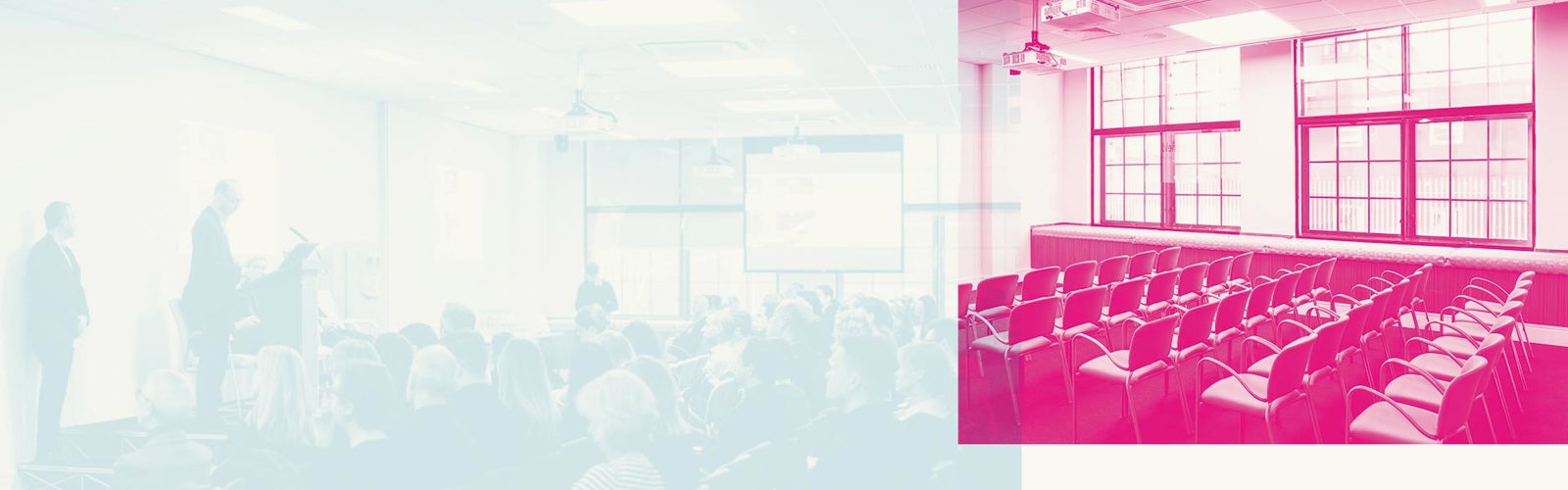
If the room says “sit and watch”, that’s what people do. Rows facing a screen can work for short bursts of information, but they discourage discussion, practice and contribution.
Fix: match the set-up to the learning mode. If you want discussion, use a horseshoe or cabaret. If you need hands-on work, choose classroom-style with proper space for laptops and materials.
The flow is clunky, so energy drains between sessions
When people don’t know where to go next, or resets take too long, you lose momentum. Bottlenecks at refreshments, unclear transitions, or a room that’s hard to move around can make a day feel heavier than it needs to.
Fix: design flow into the plan. Make transitions deliberate, and use small environment changes to reset attention.
The agenda ignores natural energy dips
People can concentrate deeply, but not endlessly. When a day is built as one long stretch of listening, attention drops and the afternoon becomes a battle.
Fix: plan for rhythm. Alternate input with interaction, and create structured moments for practice, reflection and discussion.
Set-ups that support different objectives (and when to use each)
A high-performing training day needs two things to work together: the room should feel professional and make participation feel natural. The right set-up reduces friction, encourages contribution, and helps the trainer keep energy up without fighting the space.
Here are three common training objectives and the set-ups that typically support them best.
Skills training (learning and practice)
Best for: systems training, compliance, technical learning, product training, any session with exercises, templates, or laptop work.
Recommended set-up: classroom
Why it works: people have space to focus, take notes and practise, while still being able to ask questions easily. It also supports switching between content, demonstrations and short exercises without constant resets.
A common pitfall is defaulting to theatre because it’s quick. If the session requires practice, theatre makes hands-on work harder.
Leadership and management training (discussion-led)
Best for: leadership development, coaching-style sessions, senior team training, strategy and management workshops.
Recommended set-up: horseshoe for facilitated discussion, or boardroom for smaller senior groups
Why it works: it makes eye contact and conversation easy, keeps the facilitator connected to the group, and encourages contribution without people feeling put on the spot.
A common pitfall is choosing a layout where half the room feels “outside” the discussion. If you want openness, the set-up needs to support it.
Onboarding and team training (connection and clarity)
Best for: induction days, culture workshops, mixed groups where confidence levels vary.
Recommended set-up: cabaret (small tables)
Why it works: it supports conversation without forcing it, gives new joiners a “home base”, and makes it easy to shift between presentation, table discussion and short activities.
A common pitfall is an overly formal set-up for onboarding. If the room feels rigid, new joiners tend to contribute less, even when the content is strong.
A simple agenda formula for focus
You don’t need a minute-by-minute plan to build a high-performing training day. You do need an intentional structure that supports attention.
A reliable approach is to design the day in three phases.
Phase 1: Set expectations and build confidence
Start with clarity: what people will leave with, how the day will run, and what participation looks like. Engagement lifts quickly when the day feels purposeful.
If you want questions and contribution, begin in a layout that supports it, rather than asking people to behave against the space.
Phase 2: Alternate input with application
This is where many training days go wrong. The content becomes the main event and interaction becomes optional.
Instead, build learning loops:
When the room supports this (cabaret, classroom, nearby breakout options), participation becomes the natural rhythm of the day.
Phase 3: Land the learning and make it usable
The end should feel like progress, not a slow fade. Consolidate what’s been learned, how it will be used, and what happens next.
Even small design choices help here: a change in room layout, a final breakout, or a structured wrap-up discussion can lift energy right when it usually drops.
Timings, breaks and room changes: the “invisible” design work
The most engaged training days feel effortless. That doesn’t happen by luck. It happens because the logistics remove friction.
A few planning points that make a disproportionate difference:
-
Breakout flow: if you’re moving between sessions, keep transitions effortless so people don’t lose focus or the thread of the day.
-
Realistic resets: if your agenda needs room changes or flips, build a sensible rhythm so it feels smooth rather than rushed.
-
Catering as energy management: plan refreshments and food around the day’s energy curve. The right timing (and the right kind of fuel) keeps attention up, avoids the post-lunch dip, and reduces drift between sessions.
-
AV confidence: if you’re switching presenters, running interactive content, or mixing formats, in-house AV support helps keep delivery calm and on time.
-
Accessibility and inclusion: training only works if everyone can participate comfortably. Make access needs part of the plan from the outset.
This is where a venue becomes more than “a room with chairs”. The right environment supports outcomes because the space is working with the agenda, not against it.
A quick way to improve your next training day (even if it’s already planned)
If the agenda is fixed and you need fast improvements, focus on these three:
-
Match the room to the learning mode. If it’s discussion-led, don’t default to theatre.
-
Introduce one intentional change. A short breakout, a reset, or a room shift can lift attention dramatically.
-
Design breaks as part of flow. Make them smooth and purposeful, not just “time off”.
Often, the difference between a day people dread and a day people value is simply that the environment has been designed to support them.
Get advice on your agenda and room set‑up
If you’re planning a training day, we can help you shape a structure that keeps teams engaged and makes delivery feel straightforward.
Send us your training objective, delegate numbers and preferred format, and we’ll come back with:
-
Answers to any questions you may have
-
a recommended room set-up (and flow if you’re using multiple spaces)
-
practical notes on AV, breakouts and what’s realistic on the day
Get in touch to start planning your day