Environmental health training and courses
Develop the skills your team needs with expert-led environmental health training. With nearly 140 years of experience, our flexible courses are available online, in person or tailored to your organisation.

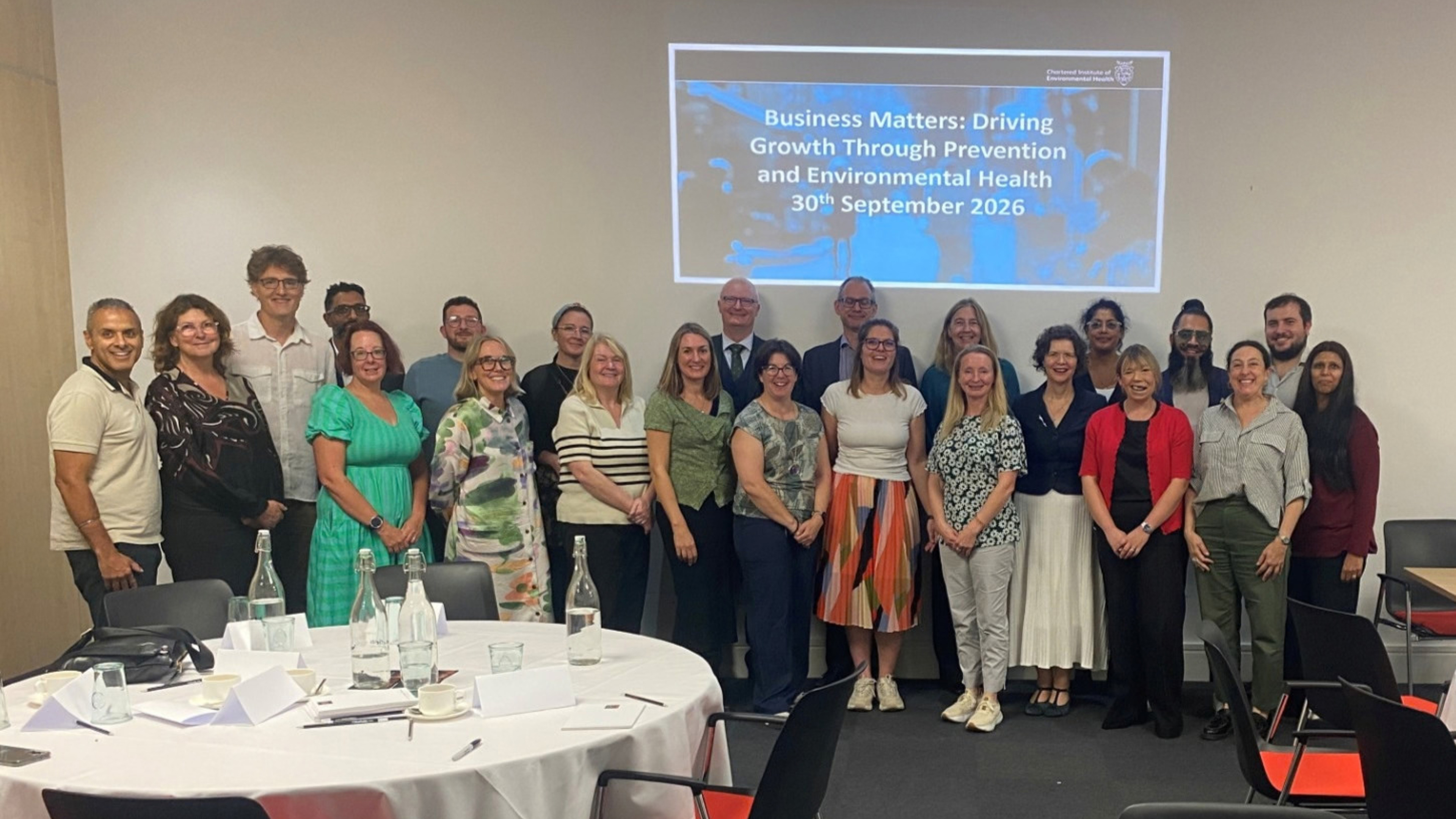
Prevention is often talked about as a public health priority, but what does it look like in practice, and who delivers it every day? Reflecting on two CIEH workforce sessions, Joanna Seymour, CIEH Head of Environmental Health Workforce Programme, explores how environmental health professionals help tackle health inequalities, support healthier communities and drive business success, while making the case for greater investment in this vital workforce...
What does prevention look like in practice, and who makes it happen?
These questions sat at the heart of CIEH’s two sessions on 30 September 2026: Prevention Matters: Tackling Health Inequalities Together and Business Matters: Driving Growth Through Prevention and Environmental Health. Together, the presentations made the case for recognising environmental health’s contribution to better health and demonstrating its value to employers across a range of sectors.
Why these conversations mattered
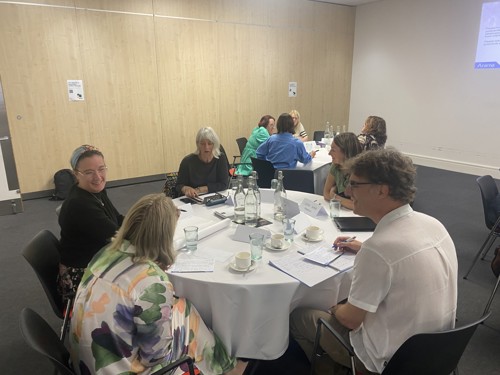
The aim of the event was to connect evidence with experience and explore how the environmental health workforce can be used more effectively. As part of CIEH’s wider engagement with practitioners, it also provided an opportunity to hear directly from the workforce about the contribution it makes and the support it needs.
The morning session focused on how environmental health can help address the factors that drive health inequalities, highlighting the importance of stronger partnerships and learning from good practice. In the afternoon, attention turned to building a stronger, evidence-based case for employers to recruit environmental health professionals and make fuller use of their expertise.
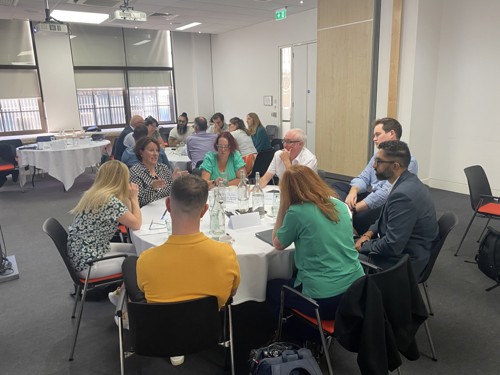
Drawing on participants’ experience, the workshop explored what capabilities are truly distinctive to environmental health, where practitioners add the greatest value, and what would persuade an employer to choose an environmental health professional over someone from another discipline.
Prevention through everyday practice
Examples presented from Suffolk on housing and health demonstrated how prevention becomes tangible through practical support that improves people’s living conditions. This included initiatives such as warmer homes and housing assistance designed to prevent hospital admissions or reduce delays in discharge. The lessons went beyond individual interventions, highlighting the importance of strong relationships, sustained funding and embedding successful approaches into everyday practice.
CIEH Chartered Fellow Carrie Wood’s reflections highlighted the complementary strengths of public health and environmental health: combining a focus on population outcomes and evaluation with practical expertise in place, risk and implementation. Her presentation also identified a central challenge: prevention requires capacity and ongoing support, even when its most significant benefits may take years to emerge.
The workforce implication is clear. If prevention is to become an everyday reality, practitioners must be given the time and support needed to work across organisational boundaries.
The business case for environmental health
Environmental health professionals bring together a distinctive mix of scientific, regulatory, investigative, advisory and partnership expertise. Their contribution can support prevention, risk management, compliance, operational assurance, workforce wellbeing, resilience, sustainability and public confidence.
CIEH now needs to translate that breadth of expertise into a clear employer proposition: one that is specific enough to influence recruitment and workforce decisions, credible enough to withstand challenge, and practical enough to be applied across sectors. The afternoon workshop was designed to test and refine that proposition through evidence, examples and the expertise of participants.
The presentations also explored the link between prevention and organisational performance.
CIEH member Hannah Ward discussed how more effective communication and digital tools could reduce administrative burdens and free up practitioners to engage more constructively with businesses.
Another member, Laura Morgan, brought this to life through her Sainsbury’s case study, which reported £3 million in savings alongside reduced waste, stronger consumer protection and improved compliance following a review of stock-delivery procedures. It was a clear example of the wider point made throughout the session: environmental health expertise can improve productivity while maintaining safe, compliant and ethical operations.
What should follow the event?
Taken together, the presentations pointed towards a common goal: strengthening the evidence for environmental health’s impact and making its contribution easier for both partners and employers to understand. Participants were also invited to share ideas for a CIEH workforce toolkit that will help employers better understand the value environmental health practitioners bring.
The next step is to turn those contributions into practical support through clear messages, usable examples and actions that employers can implement.
Why this event was significant
This event was significant because it brought together evidence alongside the experience and insight of environmental health leaders and colleagues from health, public health, the private sector and government. Together, they demonstrated how environmental health professionals prevent harm, tackle inequalities and help organisations operate safely, responsibly and effectively.
Just as importantly, it provided an opportunity to hear directly from leaders and partners across these sectors about the distinctive contribution environmental health professionals make, and the support employers need to recruit, retain and make fuller use of this vital workforce.
Reflections from attendee
Alison Pooley, Associate Professor at the Suffolk Sustainability Institute, University of Suffolk, who presented at the event, said: “Last week’s workshop was a great opportunity to share the innovative approaches happening in Suffolk and the work we’ve been doing with East Suffolk Council.
“Health and housing are intertwined critical issues, the more we can do to improve peoples’ housing the better chances we have at improving health. Evidence of interventions that work are central to developing policy change. Knowledge exchange events like last week are vital in that research and learning process.”

Environmental health training and courses
Develop the skills your team needs with expert-led environmental health training. With nearly 140 years of experience, our flexible courses are available online, in person or tailored to your organisation.