Speak to our training experts
Complete our online form and one of our training experts will be in touch to discuss your training needs.
Author: Natalie Stanton MCIEH CEnvH
Food allergies, intolerances and coeliac disease affect millions of people in the UK. For those customers, there’s so much more to eating out than just cuisine or what’s on the menu. It’s about safety.
For food businesses, that creates a serious responsibility. Customers trust that the food they are served is safe. If allergen controls fail, the consequences can be severe. A reaction may range from mild symptoms to anaphylaxis, which is a life threatening allergic reaction and a medical emergency.
Most allergen incidents are not caused by bad intentions. They happen because information is inaccurate, communication breaks down, or systems are not followed consistently during busy service.
Here are five common allergen management mistakes small food businesses make, and practical steps you can take to prevent them.
One of the most dangerous mistakes is assuming a dish is safe for a customer without checking the ingredients.
Allergens are not always obvious. They can appear in unexpected places, including additives and processing aids used during production. For example, ingredients such as emulsifiers or processing agents may still leave traces of allergens in the final product.
Even ingredients in familiar products can change. Suppliers sometimes alter recipes or ingredients without obvious warning. This means a product you have used for years could suddenly contain a new allergen and it probably won’t come with a big red warning on the front of the packaging.
Accurate allergen information should always be based on verified sources.
Good practice includes:
If a team member is unsure whether a dish contains an allergen, they must locate the correct information or speak to someone in the business who can confirm it.
Allergen cross-contamination, or cross-contact as it’s also known, occurs when traces of an allergen accidentally end up in food that was not meant to contain it. Even a tiny amount can trigger an allergic reaction for a food hypersensitive customer
Allergen cross-contamination can happen very easily in busy kitchens.
Common causes include:
Preventing cross-contamination requires effective training and supervision, clear procedures and consistent habits.
Practical controls include:
It is also important to remember that cooking does not destroy allergens, so preventing cross-contamination during preparation is critical. Reviewing each stage of the food process, from delivery to service, helps identify where cross-contamination risks might occur and allows effective controls to be put in place.
Menu updates, supplier substitutions and recipe tweaks are common in food businesses. However, each change has the potential to alter the allergen profile of a dish.
For example, a substituted ingredient from a different supplier may contain allergens that were not present in the original product. If the allergen information is not updated, customers could receive incorrect information.
Allergen information should always reflect the exact ingredients currently being used.
Businesses should have procedures that ensure:
Suppliers can change ingredients without obvious warnings, so ingredient labels and specifications should be checked thoroughly and reviewed regularly.
Keeping allergen information accurate and current is essential for protecting customers.
Allergen safety depends heavily on communication, both between front of house and kitchen teams and also with the customer
Front of house staff are often the first point of contact when a customer mentions a food allergy or intolerance. If that information is not clearly passed to the kitchen, mistakes can happen.
A breakdown in communication might mean the kitchen never receives the allergen request, or the wrong dish is served to the wrong customer.
Front of house teams therefore play a critical role in allergen safety and must understand the seriousness and importance of these conversations and of passing on the correct information.
Businesses should establish a clear process for handling allergen requests.
This may include:
It may be that a designated person on each shift, such as a manager or supervisor, is responsible for handling allergen requests. In this case, the process would be for front of house team members to refer the request to the responsible person.
Allergen policies and procedures only work if team members understand them and follow them consistently.
Many businesses provide training once and assume the job is done. Over time, knowledge fades and shortcuts appear, especially during busy services.
This can lead to mistakes such as team members not knowing where allergen information is kept, or not understanding the importance of cross-contamination controls.
Training should be ongoing and supported through effective supervision.
A strong training programme may include:
Consistent and effective training helps build a culture where allergen safety is taken seriously by everyone in the team. CIEH support this through online courses and work-based allergen awareness training.
Managing allergens is one of the most important responsibilities in any food business. Customers with food hypersensitivities rely on accurate information and careful preparation to stay safe.
Most allergen incidents happen not because people do not care, but because systems are unclear or procedures are not followed consistently.
When systems are working properly, customers feel confident eating at a business. That trust is incredibly valuable and can lead to repeat custom for a business, and for the food hypersensitive customer, it can make the difference between feeling anxious about eating out and enjoying the experience safely.
CIEH offers an online course, Serving the Allergic and Food Intolerant Customer, designed for those involved in food preparation. It supports a practical understanding of allergen management and can be completed online at a time that suits individuals and teams.
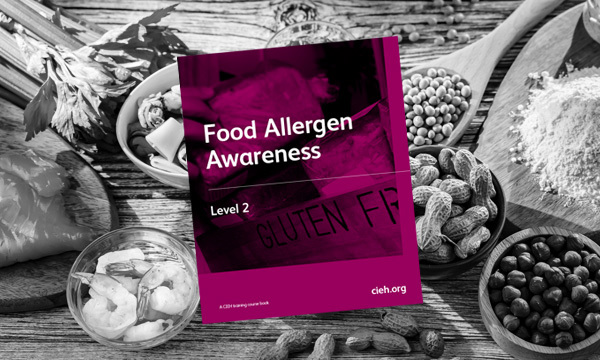
View the courseFor those who prefer or require a printed reference, CIEH offers a comprehensive course book, A Food Allergen Awareness – A Good Practice Guide. To purchase a copy, please contact our dedicated team or call +44 (0)20 7827 5800.
Contact our teamSpeak to our training experts
Complete our online form and one of our training experts will be in touch to discuss your training needs.